Answer firstWhat does a contractor roof inspection evaluate?
A contractor inspection can evaluate safely accessible roof surfaces, visible shingle condition, flashing, valleys, penetrations, roof edges, drainage, ventilation components, and relevant attic or interior evidence. It should distinguish observed facts from suspected concealed conditions and provide a repair, monitoring, or replacement recommendation. It is a construction assessment, not an engineering report, code certification, mold assessment, or guarantee that no hidden leak exists.
01Observation and access limits should be clear
Weather, roof pitch, material condition, height, equipment, and interior access all affect what can be inspected safely. We identify relevant accessible areas and explain when a conclusion is limited by concealed assemblies or unsafe conditions.
02Photos create a shared record
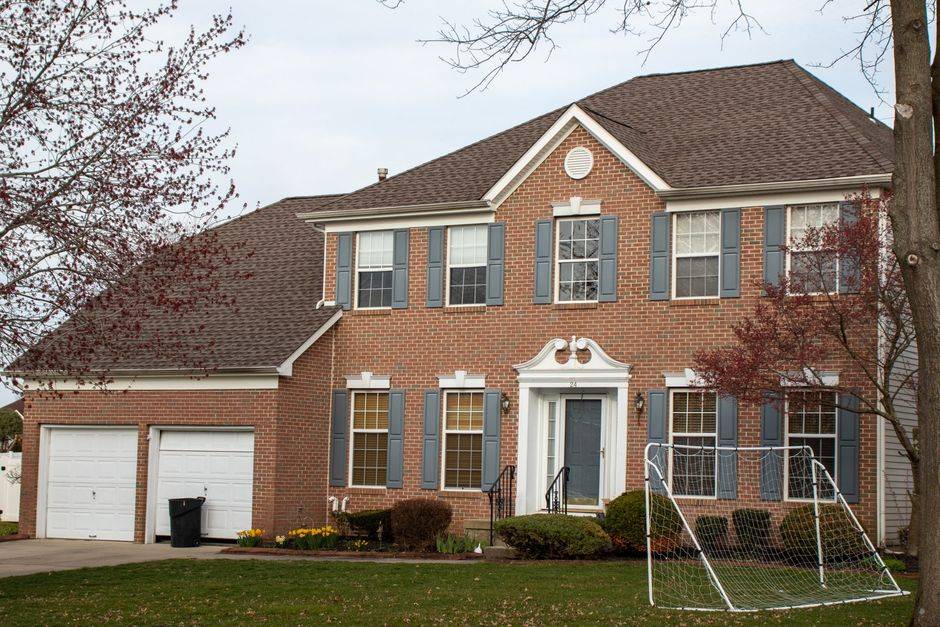
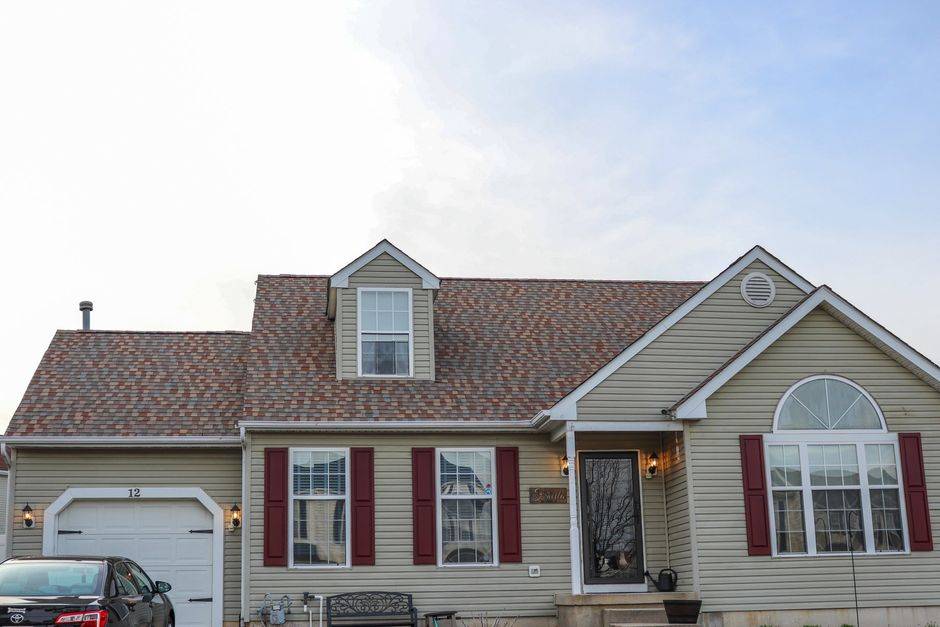
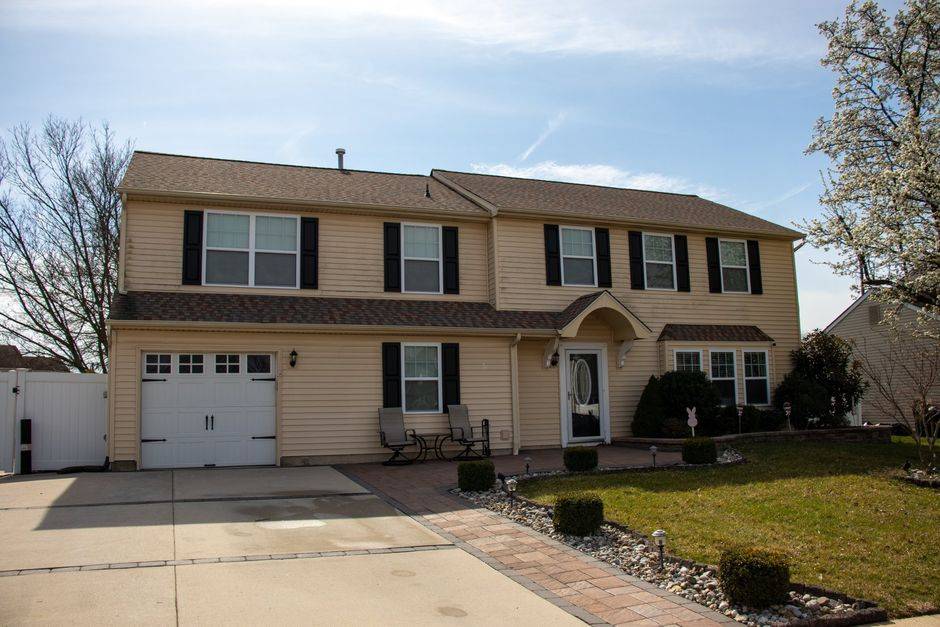
Photographs help a homeowner, property manager, contractor, and, when applicable, insurer discuss the same visible conditions. Images are most useful when they are connected to a location and a construction explanation rather than presented as isolated damage claims.
03The recommendation should match the evidence
A good inspection separates urgent protection from routine repair and long-term replacement planning. The next step may be a targeted repair, monitoring, exploratory work, a broader replacement scope, or evaluation by another qualified professional when the concern falls outside roofing construction.