Insurance claim process

Understand the storm-damage claim process before work begins

Ultimate Improvements can document visible damage, explain the construction scope, and complete authorized work. Your insurer interprets the policy and decides coverage, payment, and depreciation.

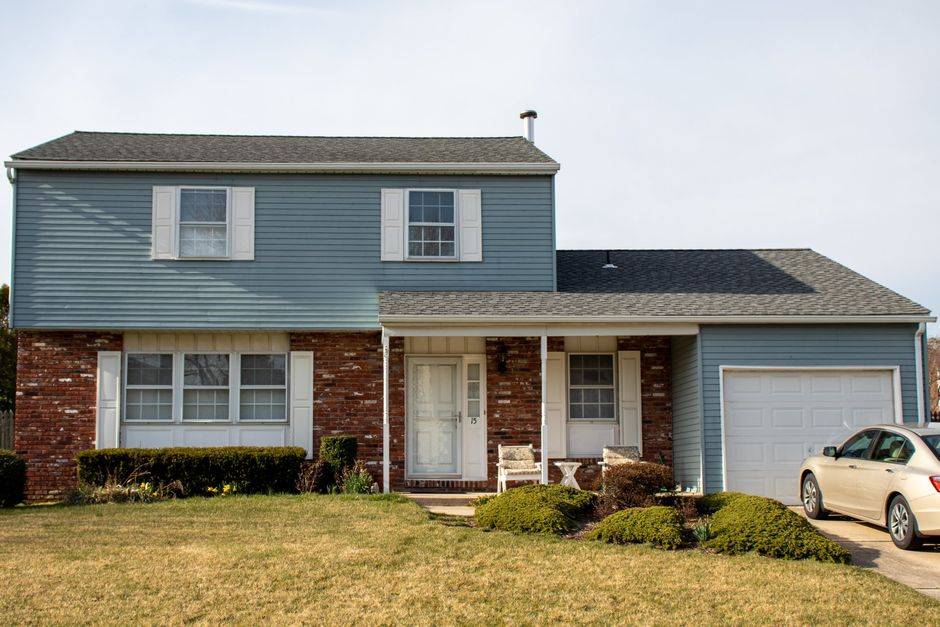
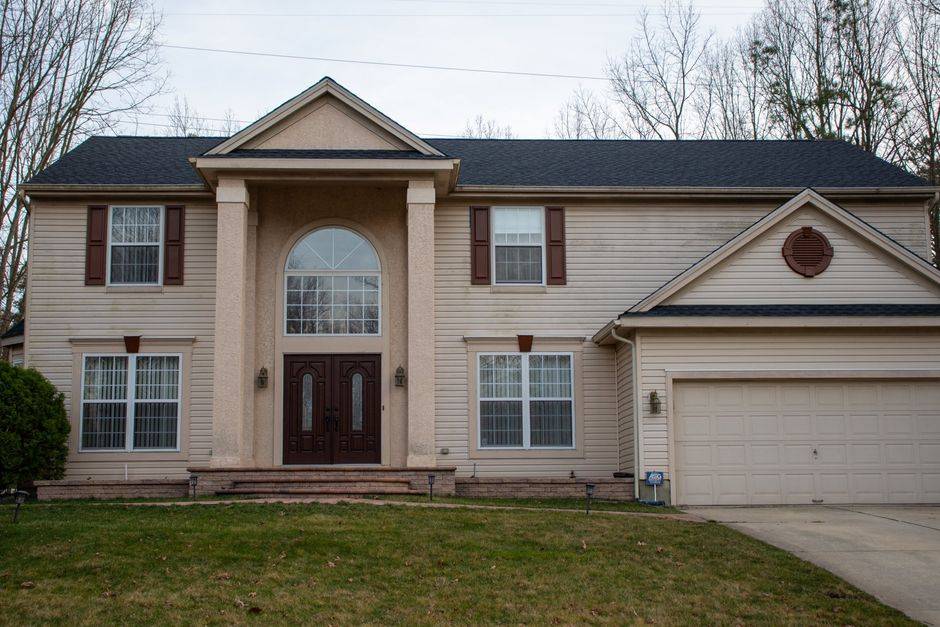
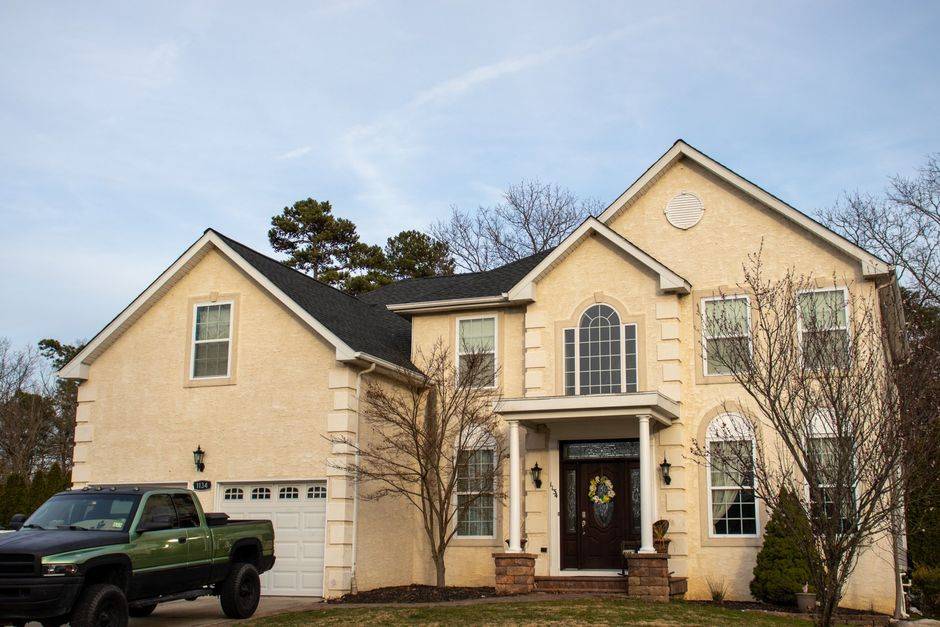
Completed storm restoration roofing project by Ultimate Improvements
Completed projectUltimate Improvements
Answer first

What is the contractor's role in an insurance claim?

A contractor evaluates construction conditions, documents visible damage, develops a repair or replacement scope, answers construction questions, and performs work you authorize. The contractor does not decide whether the policy covers the loss, set the insurer's payment, waive the deductible, or act as a public adjuster. Keeping those roles clear makes estimates, supplements, upgrades, and homeowner-paid items easier to understand.

01

Protect first and preserve the record

If water is entering, prioritize safe emergency protection and mitigation. Photograph visible conditions from safe locations, keep invoices and communications, and avoid discarding damaged material unless safety or mitigation requires it. Your policy may contain notice and duty-after-loss requirements, so review it and contact the insurer with policy questions.

02

Compare scopes line by line

An insurer estimate and a contractor proposal may organize labor, materials, quantities, code-related items, and connected repairs differently. A difference does not itself establish coverage or payment. The useful next step is to identify the construction item, why it is needed, and whether the insurer requests documentation.

03

Know the money categories

The deductible is generally the policyholder's responsibility. Depreciation, recoverable amounts, actual cash value, replacement cost, upgrades, and non-covered work depend on the policy and claim decision. We explain our contract and construction pricing; insurance questions should be directed to the insurer or an appropriately licensed insurance professional.
What to expect

A clear path from concern to construction decision

The exact scope depends on accessible property conditions, but the decision process should remain understandable.

  1. 01

    Stabilize the property

    Address active openings or water entry with safe temporary measures and appropriate mitigation.

  2. 02

    Document construction conditions

    A contractor inspection records visible roofing, exterior, and relevant interior conditions.

  3. 03

    Report and schedule

    The policyholder reports the claim when appropriate and the insurer assigns its claim process and adjuster.

  4. 04

    Review the scopes

    Construction needs, insurer-approved items, optional upgrades, and homeowner-paid items are separated as clearly as practical.

  5. 05

    Authorize and complete work

    The homeowner signs the construction agreement, scheduling is coordinated, and completed work is documented.

Frequently asked questions

Direct answers about insurance claim process

These answers provide general construction guidance. Property conditions, contracts, product requirements, codes, and insurance policies can change the correct next step.

Should I call a contractor or my insurer first?

For active water entry or unsafe conditions, arrange emergency protection first. For a non-emergency, a contractor inspection can help clarify visible construction conditions. Review your policy for notice requirements and contact the insurer for coverage guidance.

Can Ultimate Improvements meet the insurance adjuster?

Yes, scheduling permitting. We can identify observed damage, explain construction details, and answer scope questions. The insurer still decides coverage and claim payment.

Can a roofing contractor waive my deductible?

You should expect to be responsible for the deductible and any authorized work not covered by the insurer. Ultimate Improvements does not promise a waived deductible or free insurance-funded work.

What is a supplement?

In construction claims, a supplement commonly refers to additional documentation or a request to review items not included or fully quantified in an earlier insurer estimate. The insurer decides whether any requested item is covered and payable.

What if I want upgrades beyond the insurer scope?

Optional upgrades can be identified separately so you understand the additional homeowner-paid amount, product choice, and effect on the construction agreement before authorizing them.

Ready when you are

Get a documented construction scope after storm damage.

Call 24/7 or send a request and our team will help you choose the next construction step.