Gutters, fascia, and soffit

Roof-edge work should move water away without hiding the cause of damage

Gutters collect roof runoff, fascia supports and finishes the roof edge, and soffit closes the underside of the overhang and may support intake ventilation. Treating them as a connected assembly helps prevent cosmetic work from covering an unresolved roof or drainage problem.

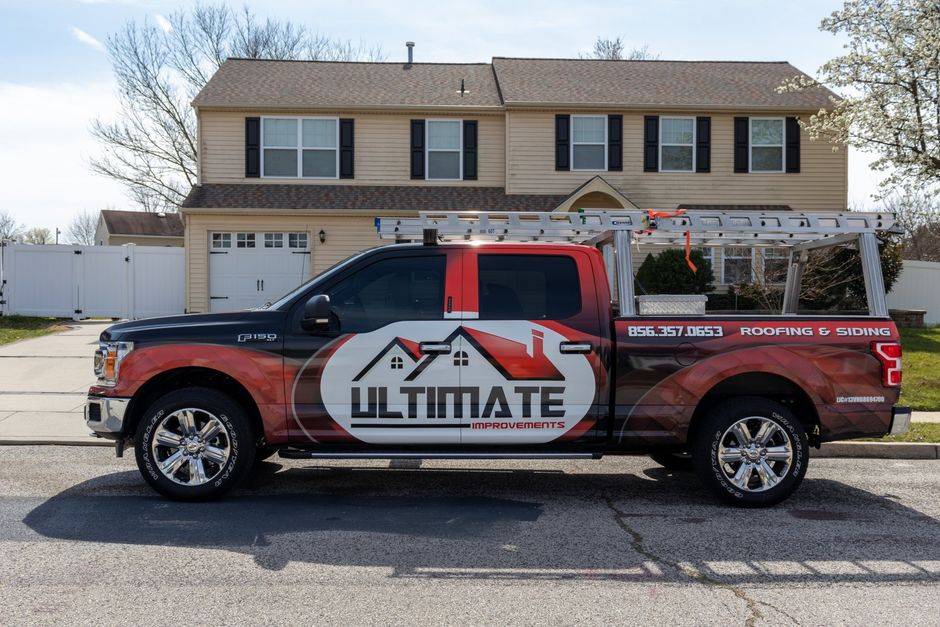
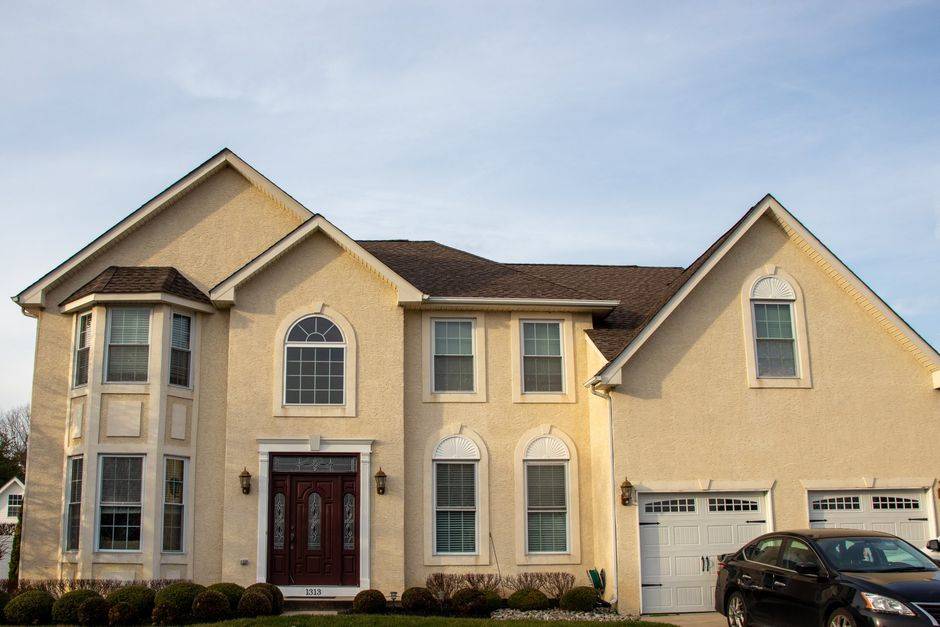
Completed roof and exterior project by Ultimate Improvements
Completed projectUltimate Improvements
Answer first

When should gutters, fascia, and soffit be evaluated together?

They should be evaluated together when overflow, staining, loose sections, rot, animal entry, storm damage, ice, or a roof replacement affects the eave. The inspection should distinguish a gutter capacity or pitch problem from clogged outlets, short downspout discharge, failed roof-edge details, deteriorated fascia, or blocked soffit ventilation. The correction depends on the observed cause rather than the appearance of one component alone.

01

Drainage starts above the gutter

Roof area, slope arrangement, valleys, upper-roof discharge, debris, gutter pitch, outlets, downspout locations, and ground discharge all affect how runoff moves. Replacing a bent gutter will not correct water that is concentrated incorrectly or released where the property cannot safely receive it.

02

Fascia damage may point to another failure

Fascia can deteriorate after repeated overflow, roof-edge leakage, failed trim, open joints, or prolonged moisture exposure. Covering a compromised board without evaluating the source can conceal damage rather than correct it. Removal may be needed to determine the condition of concealed wood and fastening surfaces.

03

Soffit and ventilation changes require coordination

Some soffit assemblies provide attic intake ventilation while others are primarily a finished enclosure. Replacing panels or changing vented area should be coordinated with the roof's overall intake and exhaust design. A soffit opening also needs evaluation for moisture, loose material, pests, and the condition of the framing behind it.

What to expect

A clear path from concern to construction decision

The exact scope depends on accessible property conditions, but the decision process should remain understandable.

  1. 01

    Trace the symptom

    We review where overflow, staining, deterioration, leaking, or detachment occurs and how roof runoff reaches that location.

  2. 02

    Inspect connected components

    Accessible gutters, outlets, downspouts, fascia, soffit, roof edges, valleys, and discharge areas are reviewed for visible conditions.

  3. 03

    Define the corrective scope

    The proposal identifies included runs or areas, planned materials, drainage changes, fastening surfaces, and how concealed deterioration will be handled.

  4. 04

    Install, clean, and review

    Authorized components are installed and coordinated with connected work, debris is removed, and the completed visible drainage path is reviewed.

Frequently asked questions

Direct answers about gutters, fascia, and soffit

These answers provide general construction guidance. Property conditions, contracts, product requirements, codes, and insurance policies can change the correct next step.

Why do gutters overflow even when they are not full of debris?

Possible causes include insufficient pitch, restricted outlets, undersized or poorly placed downspouts, concentrated valley flow, loose or deformed sections, and discharge from an upper roof. An inspection should follow the water path before selecting a correction.

Can new gutters be installed over deteriorated fascia?

A reliable gutter attachment requires a suitable fastening surface. If fascia or the material behind it is deteriorated, the damaged area may need to be exposed and repaired before new gutters are secured.

Does vented soffit guarantee proper attic ventilation?

No. Effective ventilation depends on clear intake paths, compatible exhaust, attic configuration, insulation placement, and the roofing design. Vented panels alone do not confirm that air can move through the full system.

Where should downspouts discharge?

They should direct water to an appropriate location for the specific property without creating unsafe surfaces or moving water toward the foundation. Grading, buried drains, neighboring properties, municipal requirements, and site limitations may affect the correct solution.

Ready when you are

Get the roof edge and drainage path evaluated together.

Call 24/7 or send a request and our team will help you choose the next construction step.