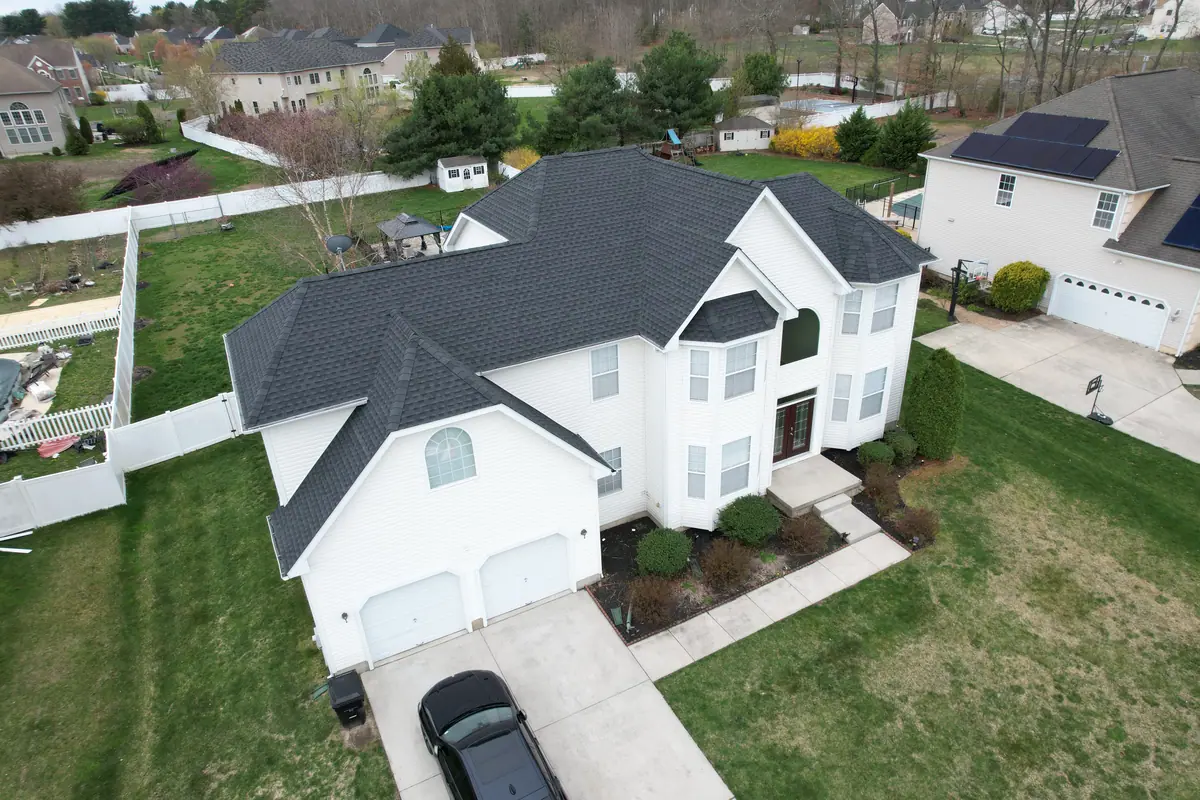
Answer firstHow is a new roof installation different from a replacement?
A replacement begins with an existing roof and the conditions exposed during tear-off. A new installation begins with new or substantially altered framing and decking, so roof geometry, slopes, crickets, valleys, penetrations, ventilation, gutters, siding transitions, and inspection timing can be coordinated before finish materials are installed. The written scope should identify which contractor is responsible for each layer and transition.
01The roof plan controls the details
Slope, span, valleys, wall intersections, chimneys, skylights, mechanical penetrations, and drainage concentration all affect the roofing assembly. Reviewing those details before installation reduces improvised field decisions at the places most likely to leak.
02Trade responsibilities should be explicit
Framing, decking, fascia, roof penetrations, masonry, skylights, siding, insulation, ventilation, gutters, and roofing may involve several trades. A clear scope identifies required readiness, included materials, tie-in responsibilities, inspection milestones, and how changes will be authorized.
03Ventilation and water control are designed together
Intake and exhaust ventilation, insulation location, air sealing, underlayment, ice and water protection, flashing, and roof-edge drainage should support the same building design. Adding components after the assembly is closed is rarely as clean or predictable.