Commercial TPO roofing

TPO roofing depends on the assembly beneath every welded seam

TPO is a single-ply roofing membrane used on low-slope buildings. Its performance depends on substrate condition, insulation, attachment, drainage, welded seams, penetrations, transitions, and perimeter details.

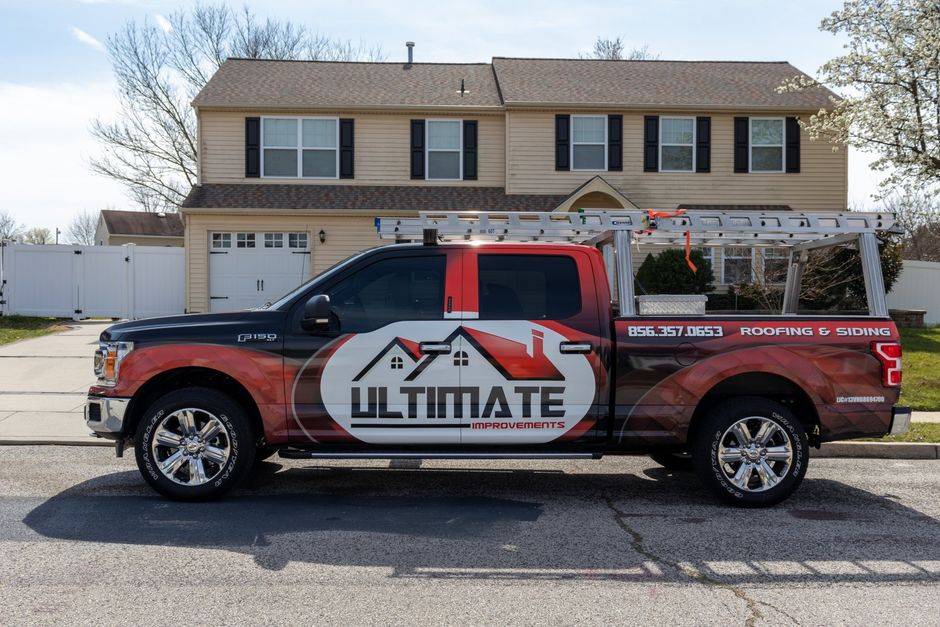
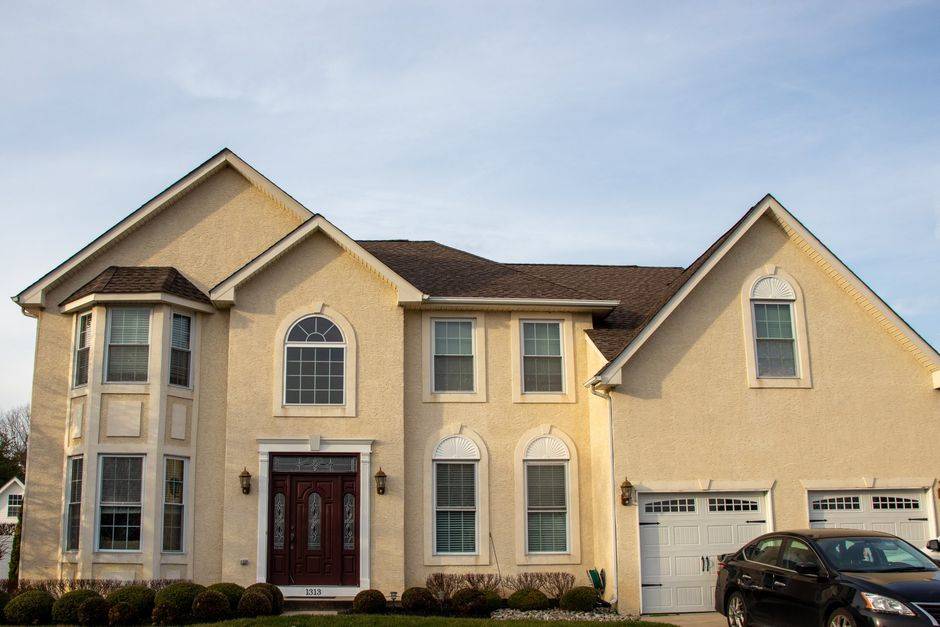
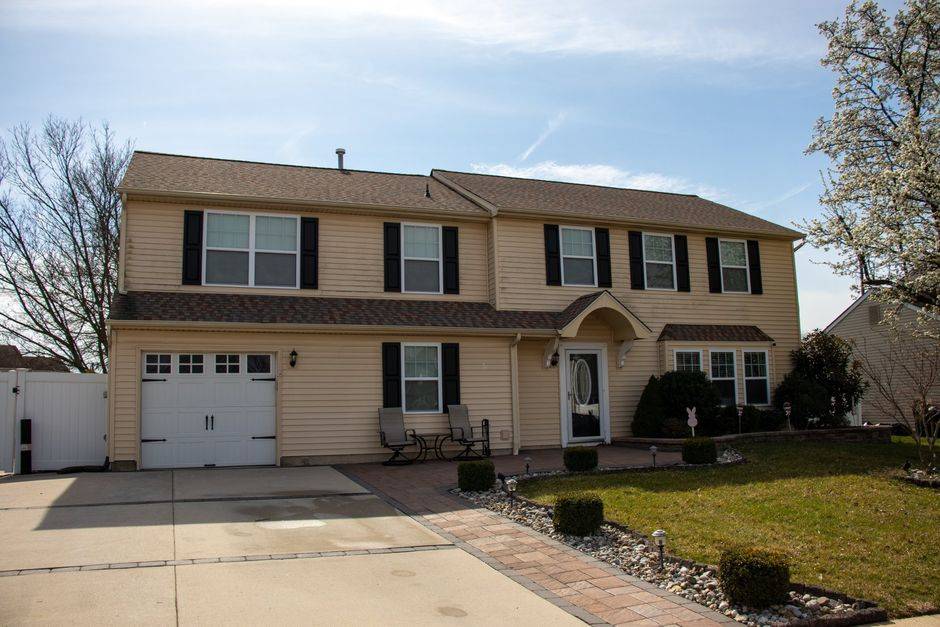
Completed roof and exterior project by Ultimate Improvements
Completed projectUltimate Improvements
Answer first

When is TPO a practical commercial roofing option?

TPO can be a practical option for a compatible low-slope roof when the building, deck, substrate, insulation, drainage, attachment method, penetrations, edges, and project use are evaluated together. A reflective membrane alone does not correct trapped moisture, poor slope, inadequate drainage, unstable substrate, or deficient perimeter details. The roof should be designed and scoped as an assembly rather than selected by membrane name alone.

01

Start with the existing assembly

Core information includes deck type, existing layers, attachment, insulation, moisture condition, drainage, penetrations, parapets, edges, and previous repairs. Investigation may include selective or specialized testing when visible conditions cannot establish what is beneath the membrane.

02

Details carry the risk

Field membrane receives attention, but leaks commonly involve seams, penetrations, curbs, walls, drains, scuppers, pitch pockets, terminations, and perimeter conditions. The proposed system should show how these transitions will be fabricated, welded, secured, and integrated.

03

Operations affect the construction plan

Material delivery, staging, rooftop equipment, tenant access, odors, noise, interior protection, work hours, and weather affect commercial roofing. Owners and managers should receive a sequence and communication plan suited to the occupied property.

What to expect

A clear path from concern to construction decision

The exact scope depends on accessible property conditions, but the decision process should remain understandable.

  1. 01

    Collect roof and building information

    We review known roof history, leaks, prior repairs, plans when available, access, rooftop equipment, and operational constraints.

  2. 02

    Assess visible conditions

    The roof surface, seams, drainage, penetrations, walls, edges, and safely accessible related areas are documented.

  3. 03

    Define the assembly and details

    The proposed scope identifies removal or recovery approach, insulation, attachment, membrane, major flashing details, and known limitations.

  4. 04

    Coordinate and execute

    Staging, occupants, weather, access, protection, daily communication, cleanup, and closeout are planned around the property.

Frequently asked questions

Direct answers about commercial tpo roofing

These answers provide general construction guidance. Property conditions, contracts, product requirements, codes, and insurance policies can change the correct next step.

Is TPO suitable for every flat roof?

No. Suitability depends on the existing assembly, deck, moisture, slope and drainage, attachment conditions, building use, rooftop equipment, and project goals. Low-slope roofs are not necessarily perfectly flat.

Can new TPO be installed over an existing roof?

Sometimes a recover assembly may be possible, but existing layers, code limits, moisture, deck condition, insulation, attachment, drainage, height transitions, and manufacturer requirements must be evaluated. Tear-off may be required.

Can a TPO seam or penetration be repaired?

Localized repairs may be practical when the membrane and surrounding assembly are suitable for a reliable repair. Widespread deterioration, contamination, trapped moisture, or repeated failures may require a broader scope.

Does a white TPO membrane eliminate roof heat?

A reflective surface can affect solar heat gain, but total building performance also depends on insulation, air leakage, HVAC, roof configuration, climate, and operating conditions. It does not eliminate heat transfer.

Ready when you are

Build a TPO scope around the actual roof assembly.

Call 24/7 or send a request and our team will help you choose the next construction step.